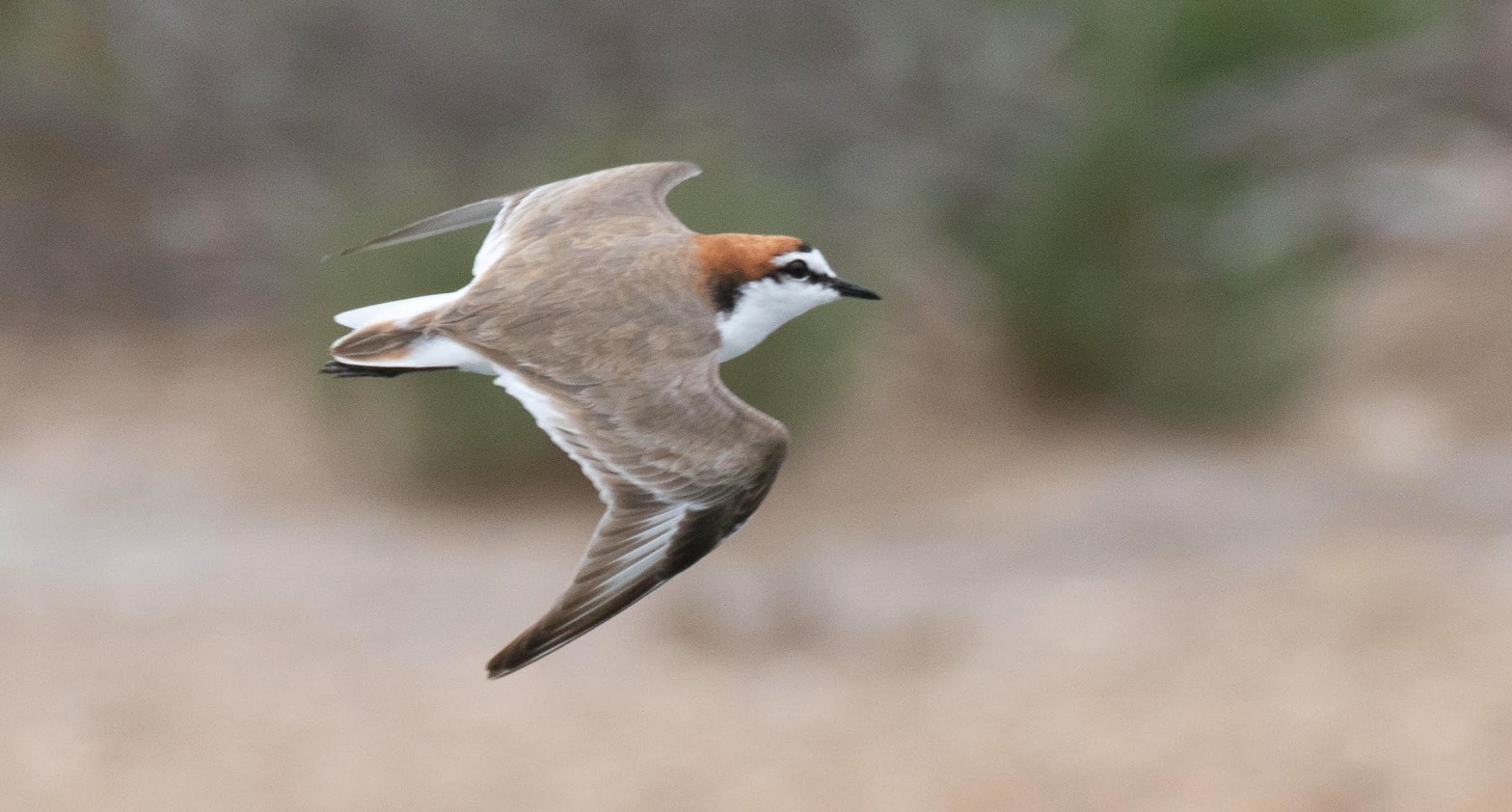
Bird of the Week: Red-capped Plover 22 January 2021
They dash across the beaches of East Gippsland, so small, pale and feather-light they could almost be dragonflies. I think many beachgoers probably don’t even notice them. But they are always around.
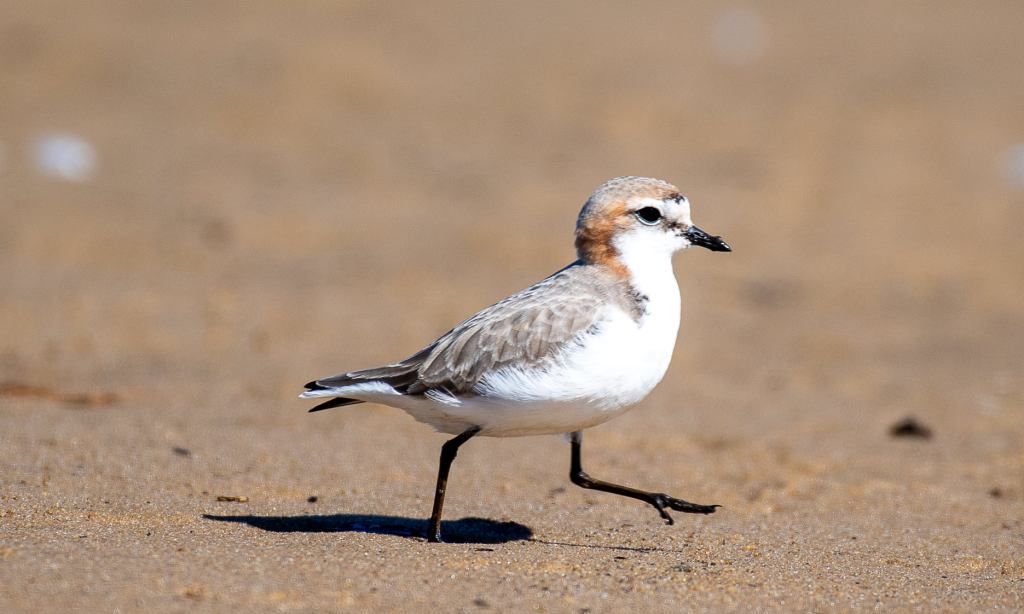
It’s hard to believe that a tiny creature, so delicate, could live in such a harsh, windswept environment. But the bare beaches and unvegetated wetland edges are their place – where they feed and breed.
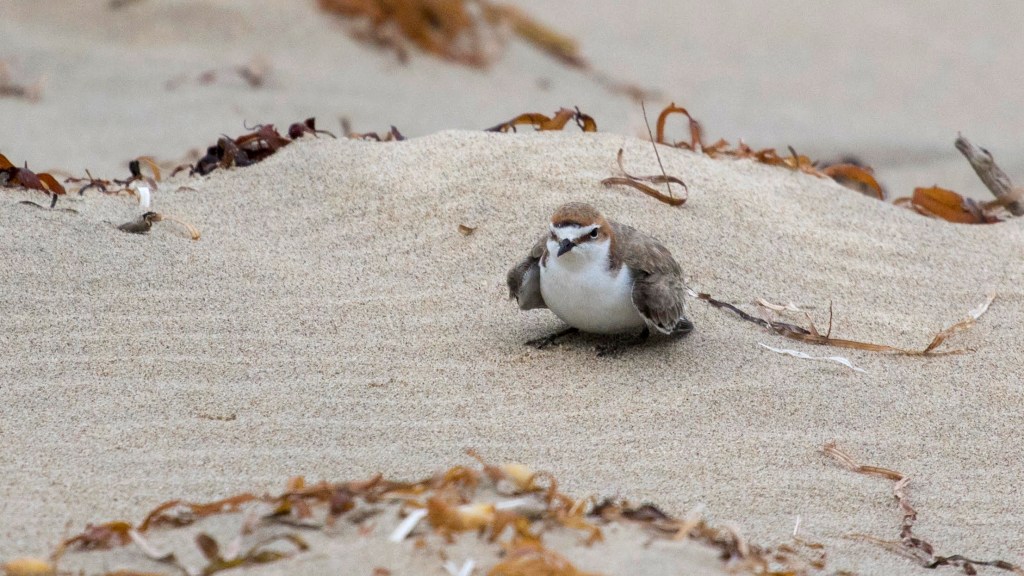
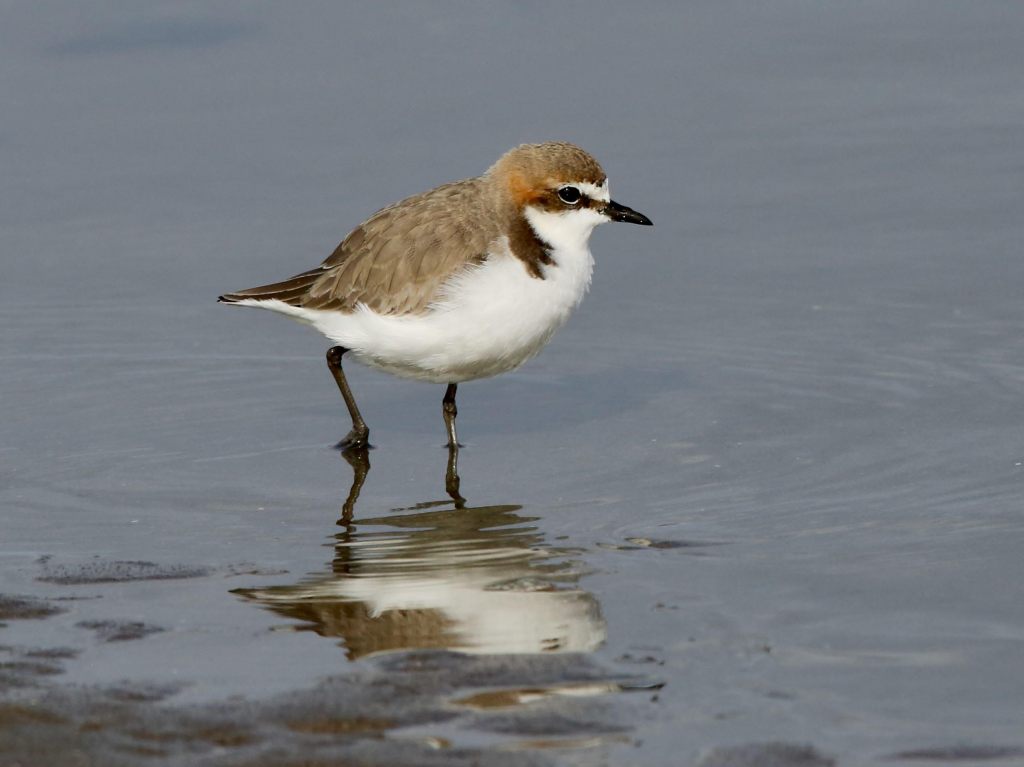
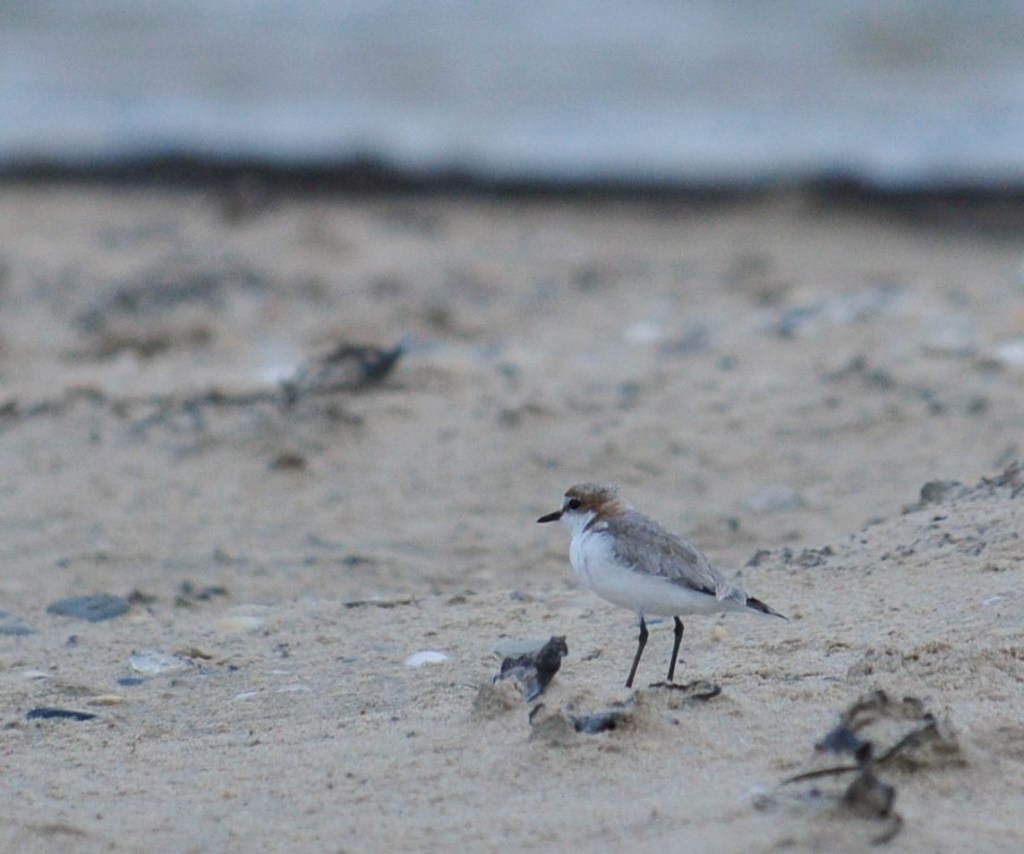
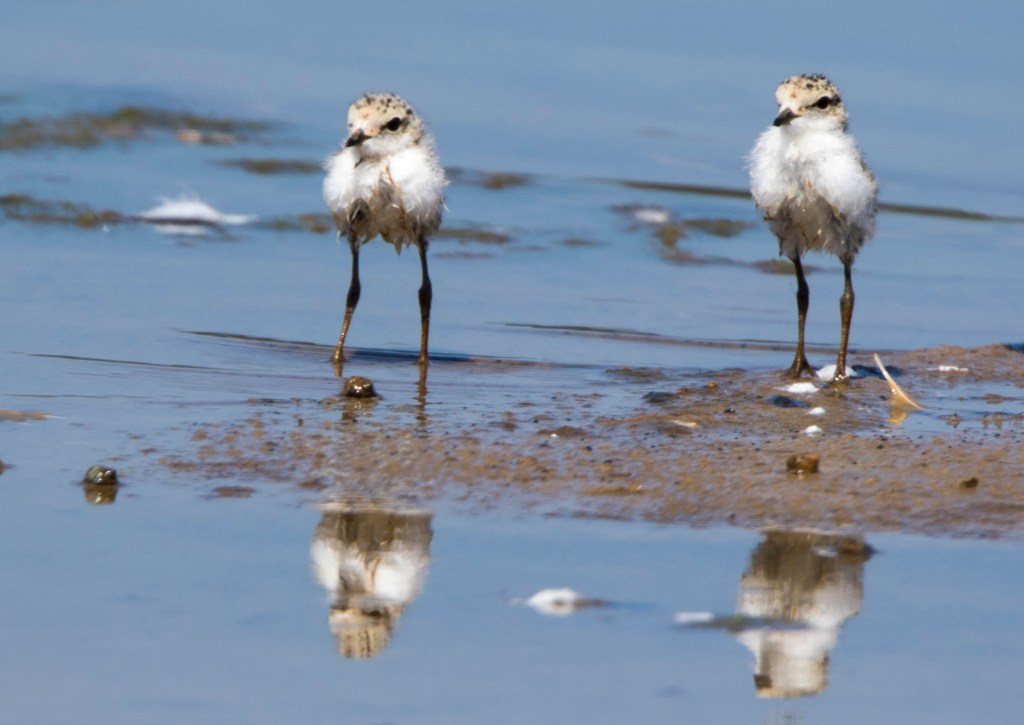
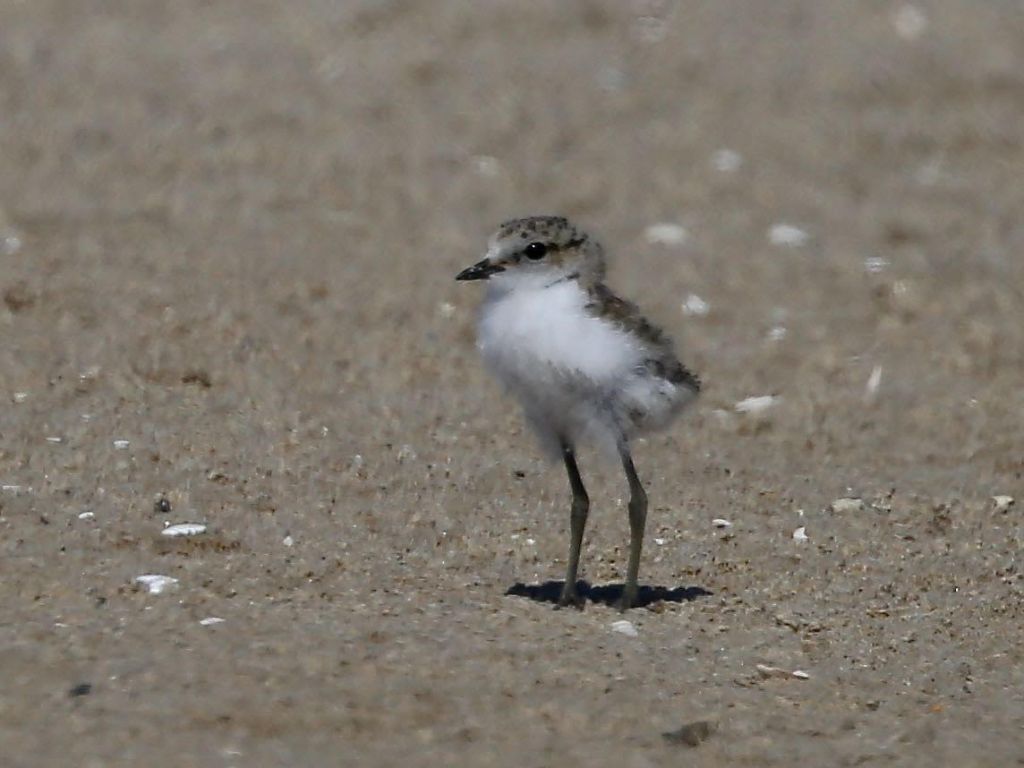
Their tiny fluffball-on-legs chicks are raised in the wind and unrelenting sun of these bare places. A scrap of flotsam or jetsam on the beach is their only cover.
Now this is important, and I know some of this might be upsetting or inconvenient. But an East Gippsland beach without birds is not an East Gippsland beach, and so it’s time to get serious about protecting all beach-nesting birds from us.
Beach-nesting birds are all in danger of becoming extinct due to human interference. Eggs fail to hatch, chicks are trodden on or eaten. Read more: https://birdlife.org.au/projects/beach-nesting-birds
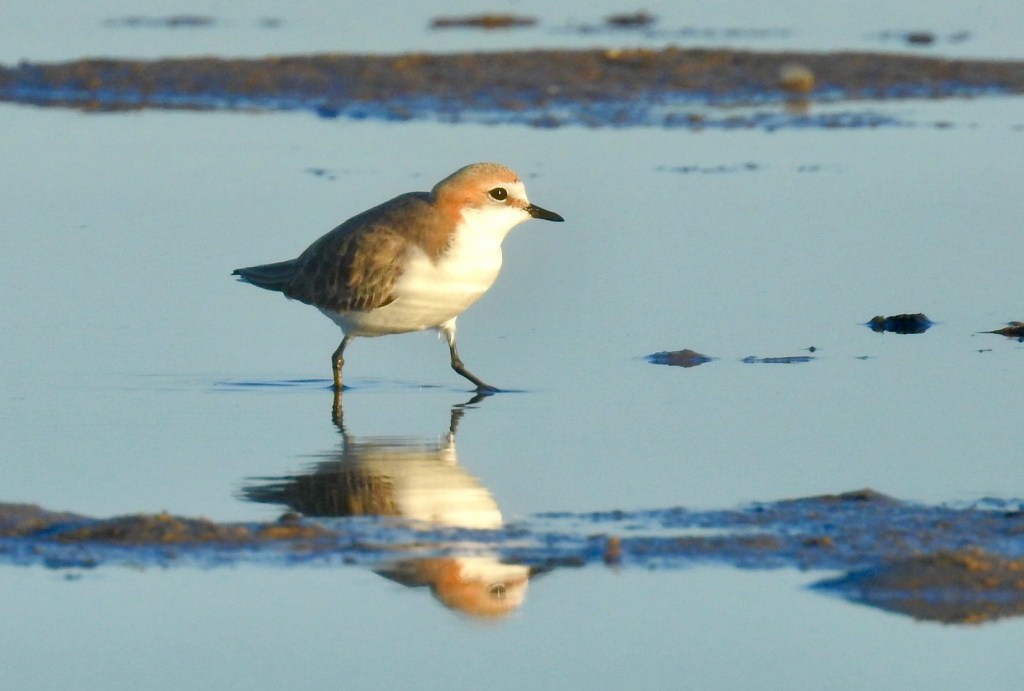
If you ever see a Red-capped Plover being obvious, running in front of you then stopping to run back to you, before running away again, or even dragging a wing, follow her. She is trying to attract you. Away from her babies, which are close. Don’t try to find them. Step carefully, and go immediately in the direction she takes you until she loses interest.
If you have a dog, put it on a lead straight away (or better still, have it on the lead at all times on the beach).
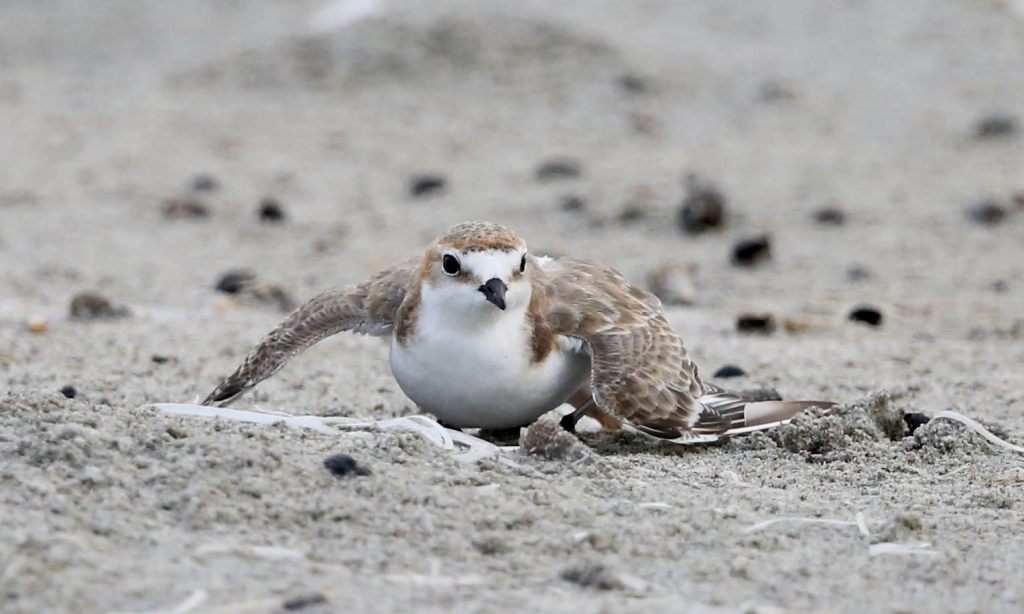
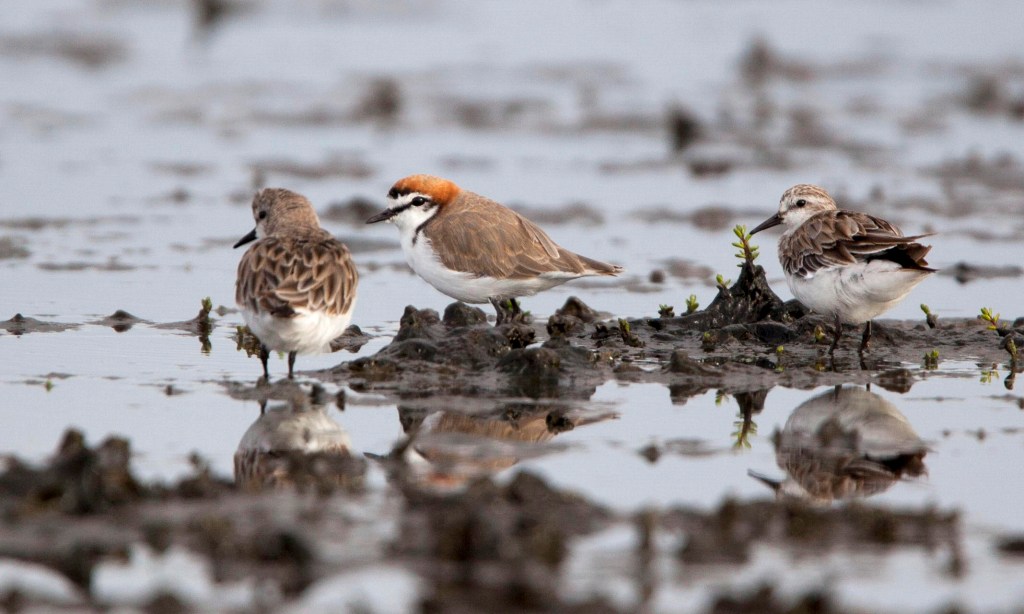
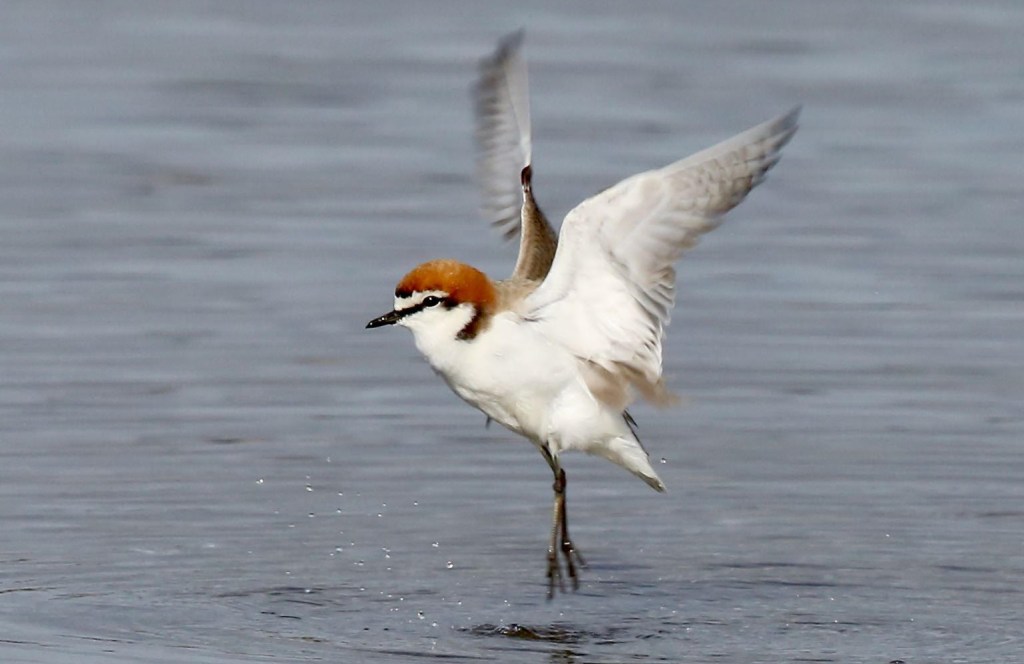
Adult males have a bright orange-red head (sometimes with grey crown), black lores and black half-collar.
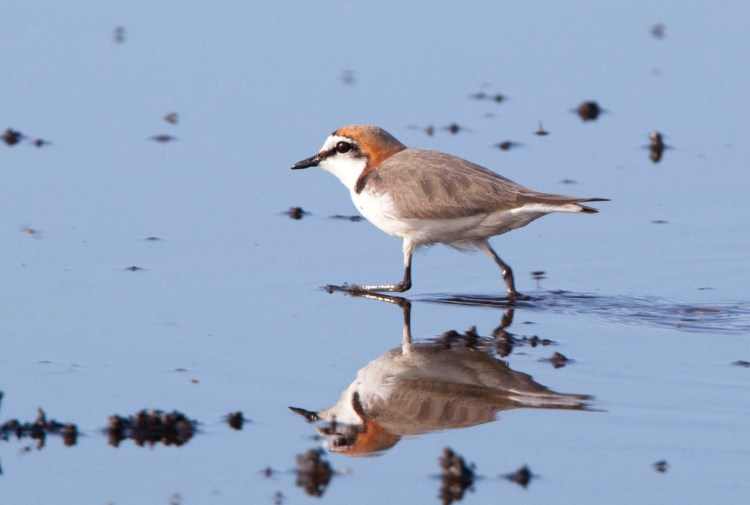
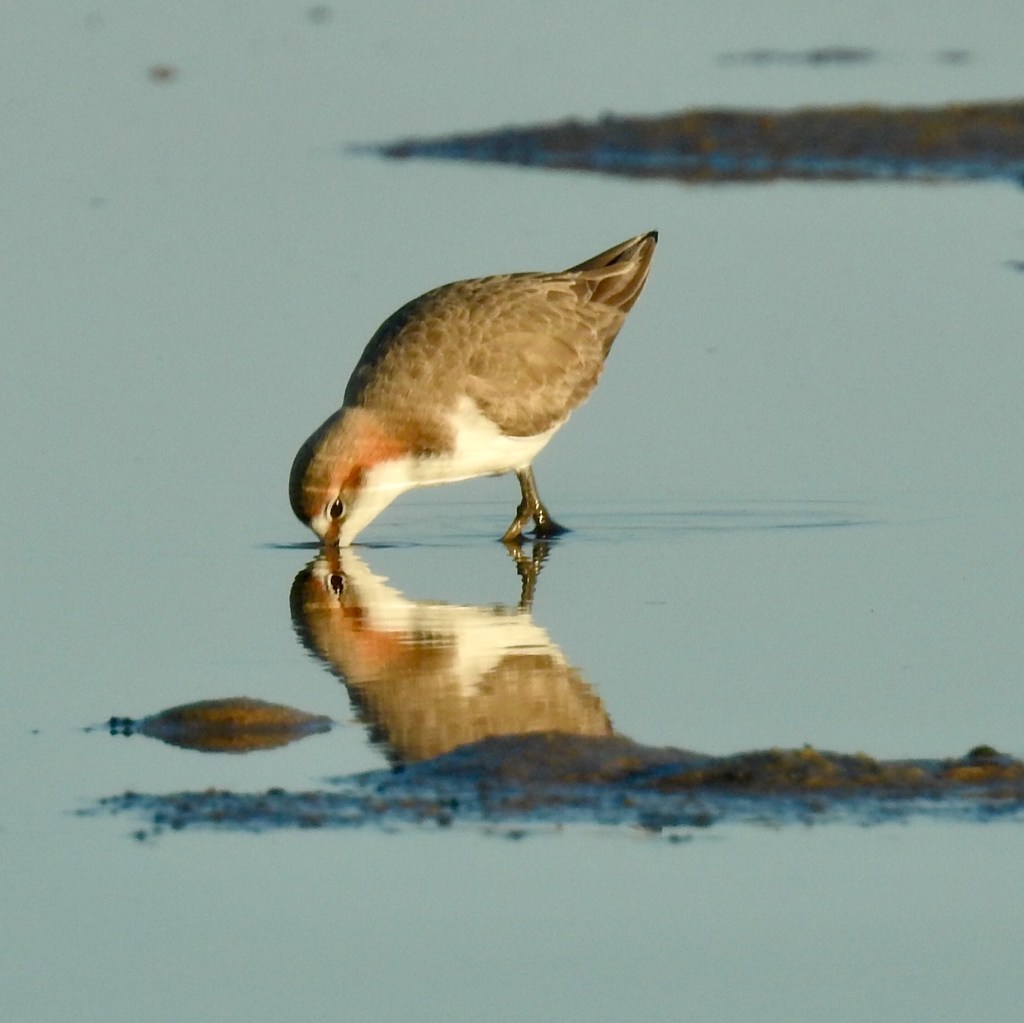
Adult females have a bit of orange around the face and head, but not as much as the males. Most of their head is grey. They have brownish lores, and not much of a half-collar.
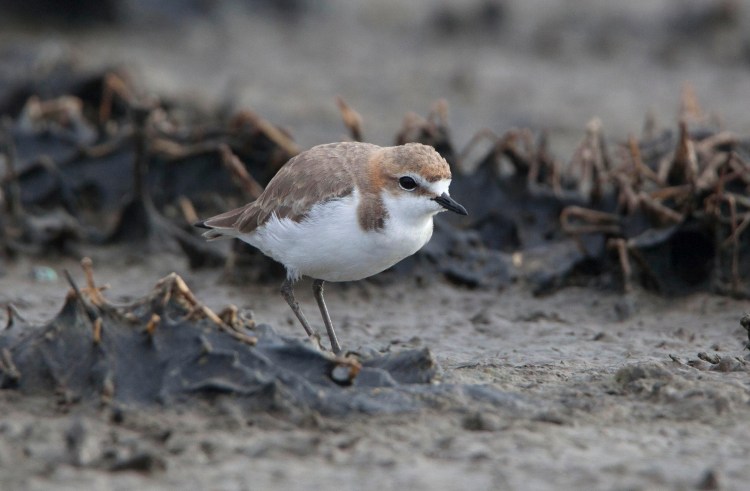
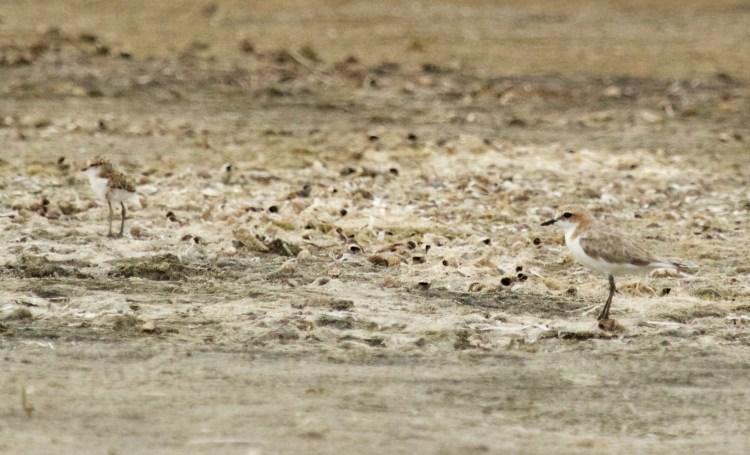
Juveniles start out quite speckled, then develop the orange points around the face. But their crown remains streaked, and the grey feathers on their back/upperwings have pale fringes, making them look more streaky/scalloped all over.
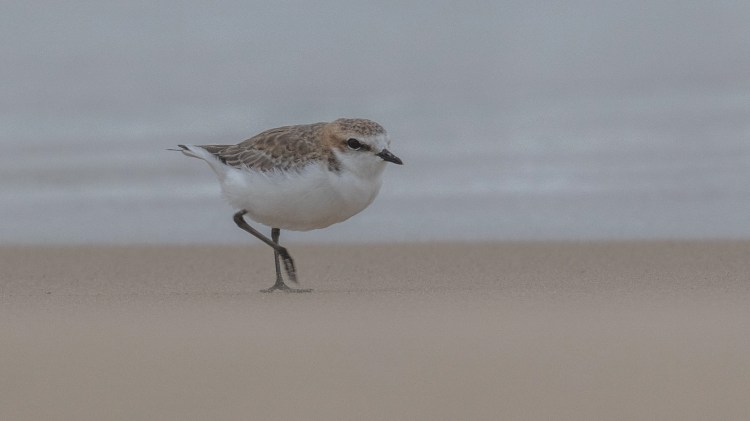
Other names are Red-capped Dotterel, Red-necked Plover and Sand Lark!
They are different to the vulnerable Hooded Plover who usually has a black head. But as juveniles the head is greyish, and so they could be confused for a Red-capped Plover juvenile. But the Hooded Plover has a beak that is reddish at the base, a red eye-ring, and a complete white collar right around to the back of the neck.
They are different to the similar-sized Red-necked Stint (see below) which has a longer bill, smaller head and more streaked plumage.
LISTEN TO THE CALLS & Scroll through to see lots of great pics here: https://ebird.org/species/recplo1
Details: Red-capped Plover Charadrius ruficapillus
Location: All of the coastline of Australia, and even inland sometimes.
Conservation status/learn more: Currently considered secure throughout Australia https://www.birdlife.org.au/bird-profile/red-capped-plover
 Mallacoota Birds