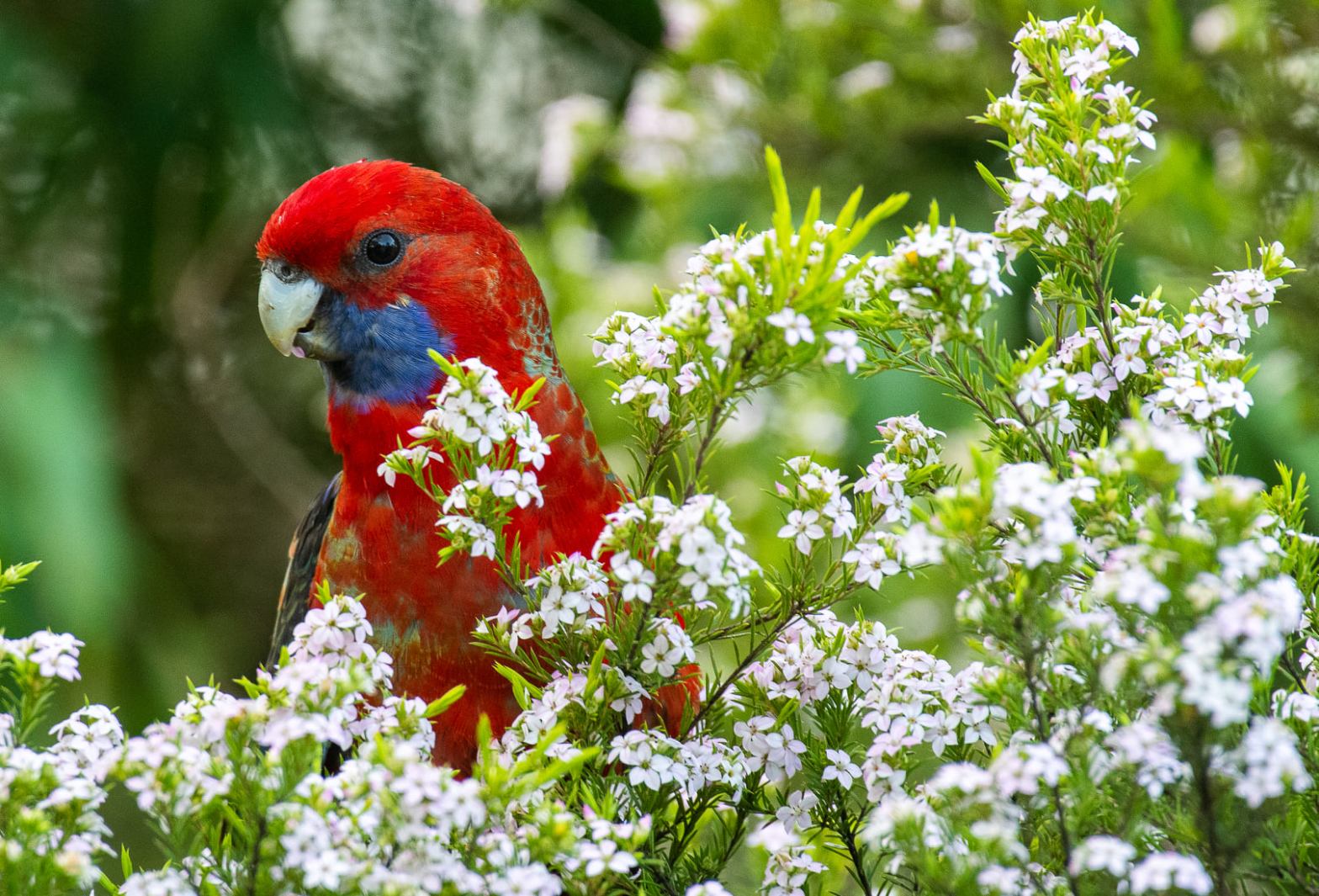
Bird of the Week: Crimson Rosella 16 April 2021
Rosellas as a group have penetrated Aussie life in an interesting way. I have often been asked by non-birdy Aussies “is that a rosella?” Usually the bird is any parrot – a lorikeet, or a Red-rumped Parrot. Funny that the word rosella is better known.
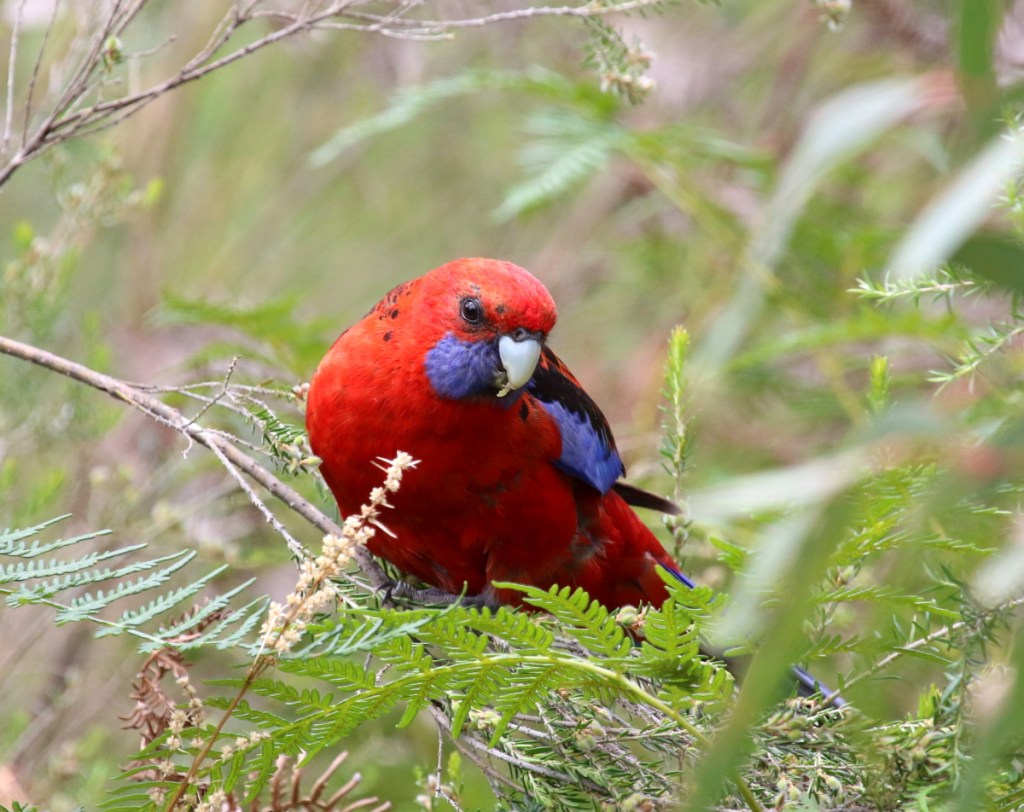
The name has a great story.
From Australian Bird Names co-author Ian Fraser:
“My favourite derivation in Australia is probably ‘rosella’, which is probably familiar to many readers, but worthy of retelling anyway. The brightly coloured parrots around Parramatta, then known as Rose Hill, became Rose Hill Parrots, then Rose Hillers, which in time was elided to roselle or rosella… I first thought this one a tall story, but the steps are all recorded. Until the 1920s the Eastern Rosella was just Rosella, and the only one – other rosellas were just ‘parrots’.” https://blog.publish.csiro.au/a-rosella-by-any-other-name/
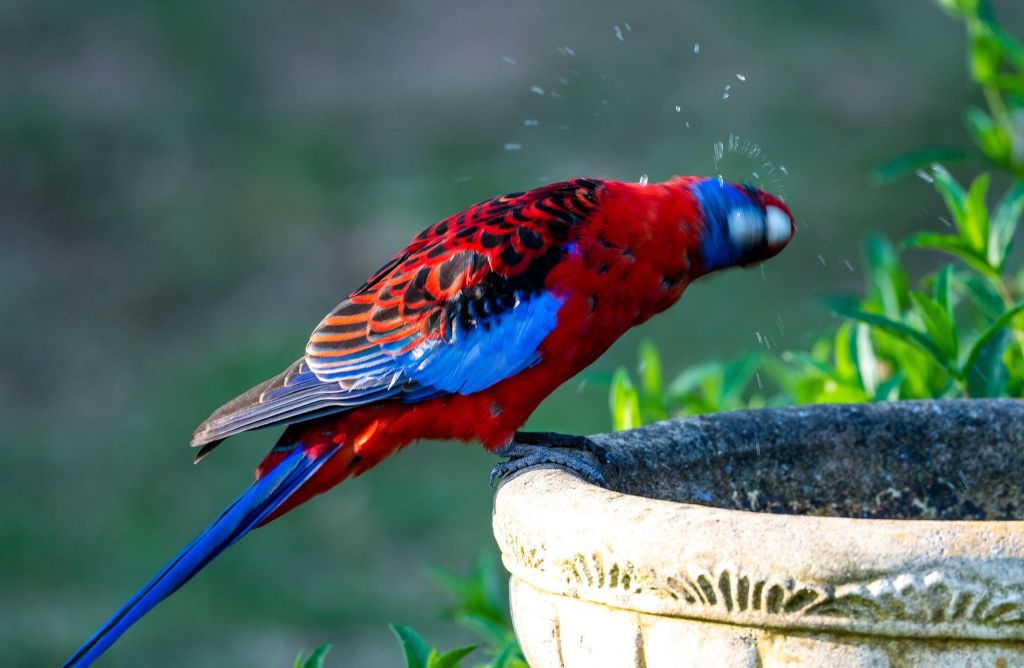
From a piece on Birding-Aus by Chris Daniels, Associate Professor in Environmental Biology at the University of Adelaide:
“However, there is another possibility. In old shooting lists of 1830, these
parrots were called rosetta* parrots. The word rosella first appeared in the
diaries of John Gilbert, who was one of Gould’s collectors. It may have been
a simple slip of the pen – from rosetta to rosella. Note: Rosetta is apparently the Italian pet form of Rosa.
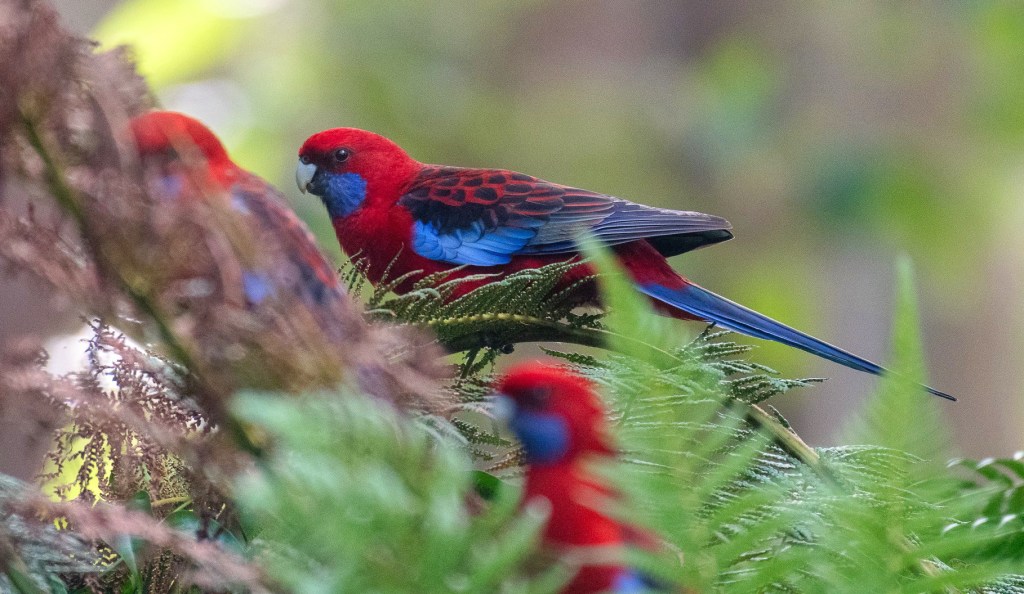
I’ve also heard them referred to as Red Lowry, Mountain Lowry or just Lowry, and Wikipedia also lists Pennant’s Parakeet, Campbell Parakeet and Blue Mountain Parrot as common names.
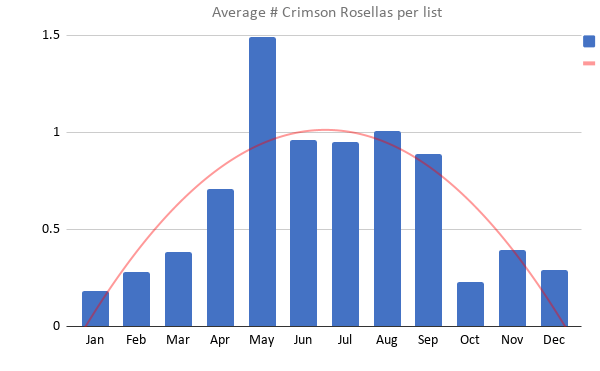
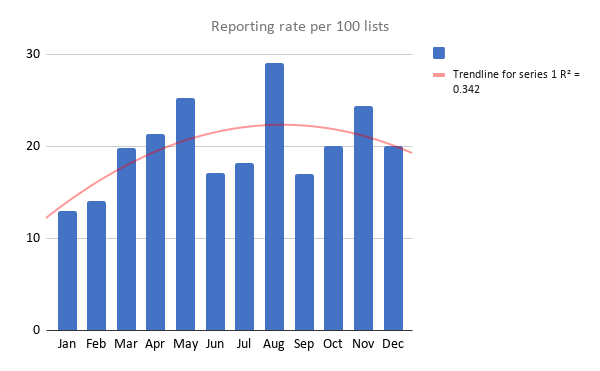
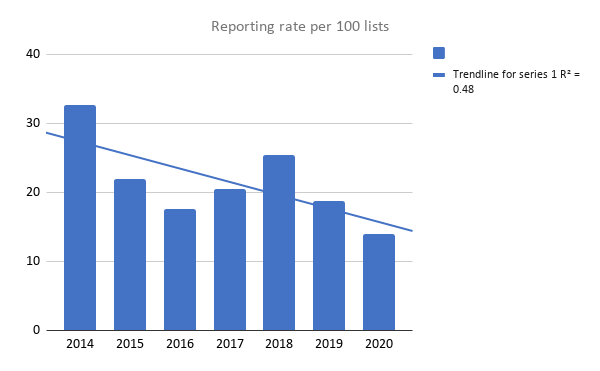
They are resident at Mallacoota all year round, though Martin’s graph below shows much higher abundance (number of birds) seen in winter months. Sadly, like most of our birds, the annual numbers are falling.
Though well-known to bird lovers, a lot of confusion exists about adults, juveniles, males and females.
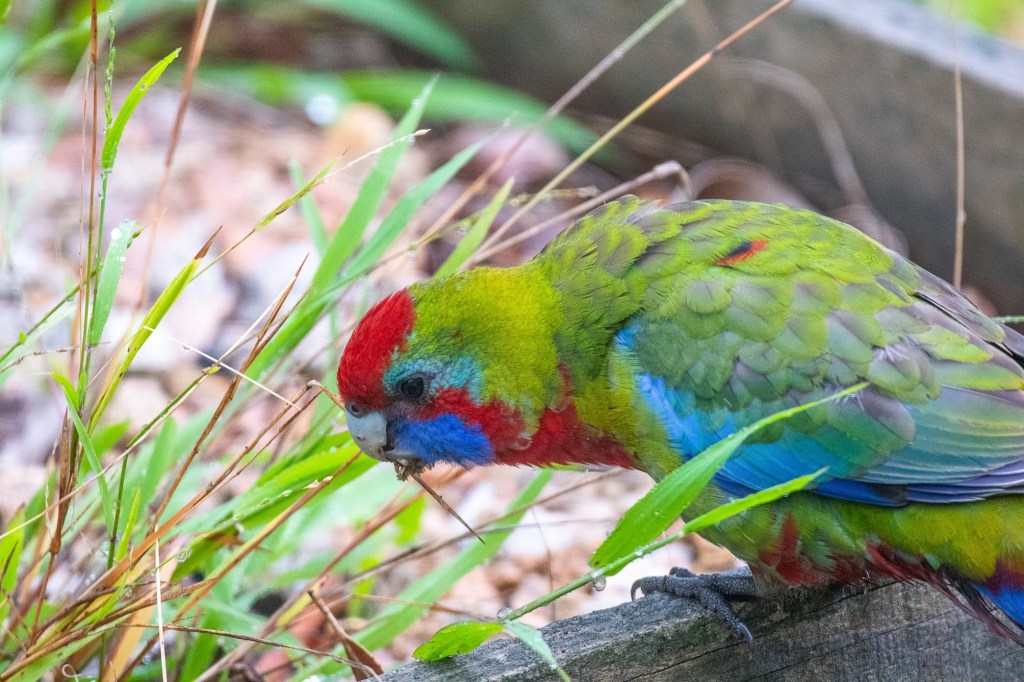
The green ones are juveniles and immatures.
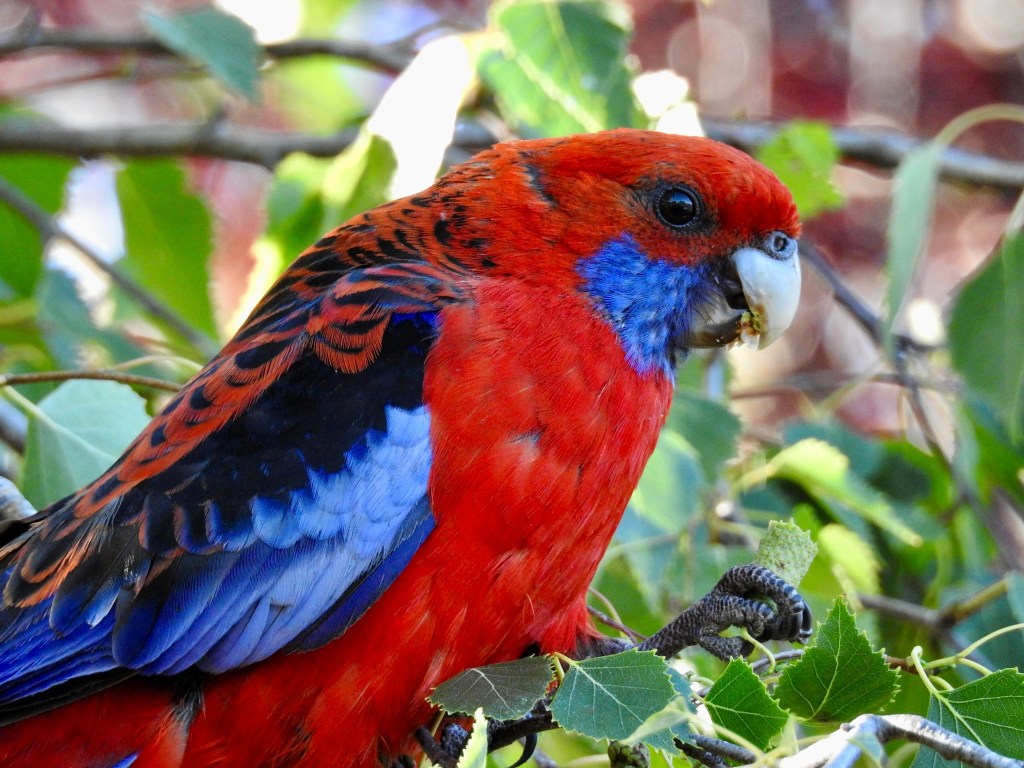
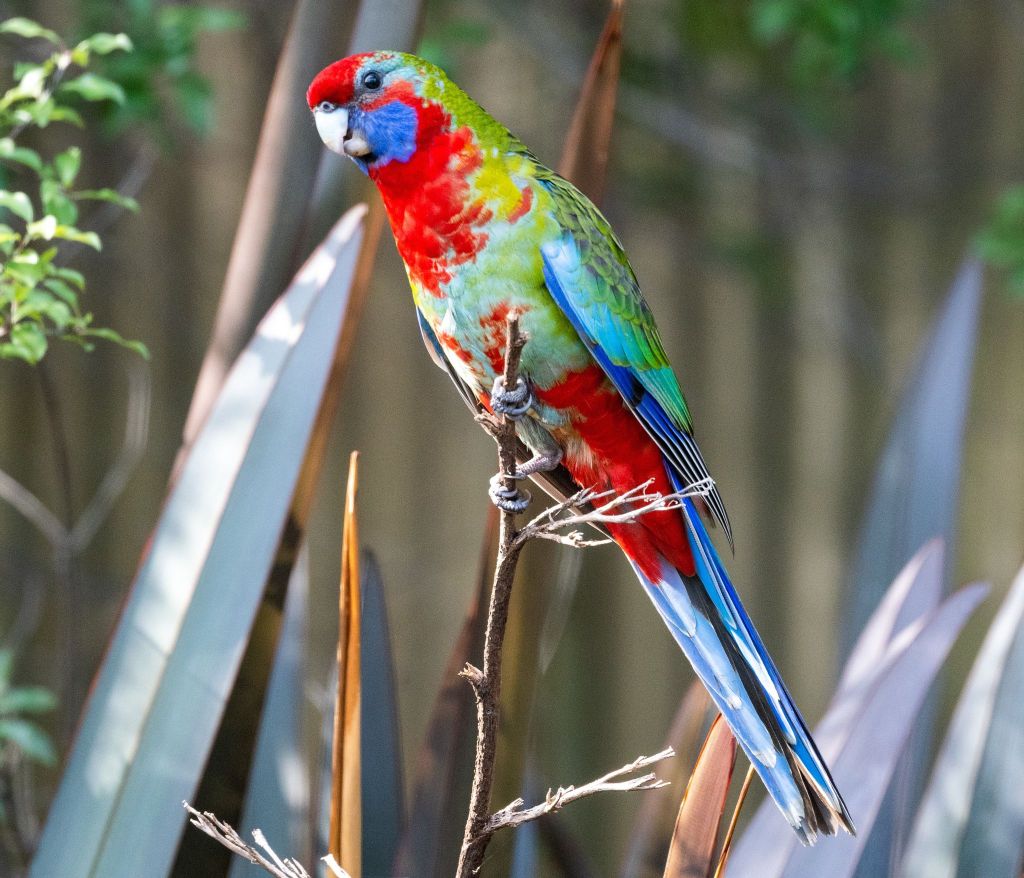
The red ones are adult males and females. You can tell them apart, but it’s only slight.
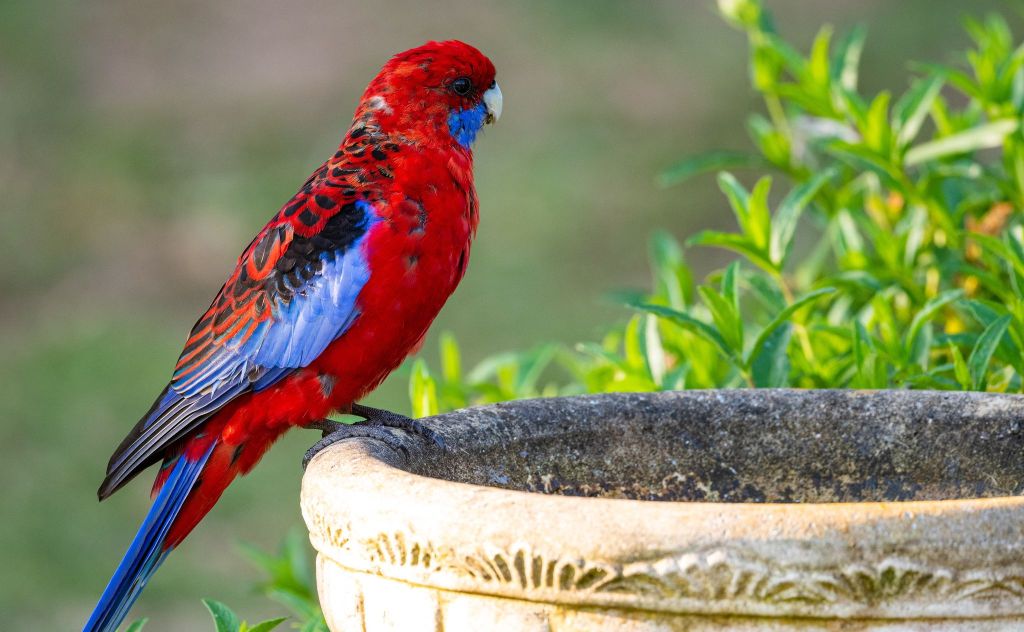
Full adult males: red all over, except for blue cheek, wings and tail. Back feathers with black centres.
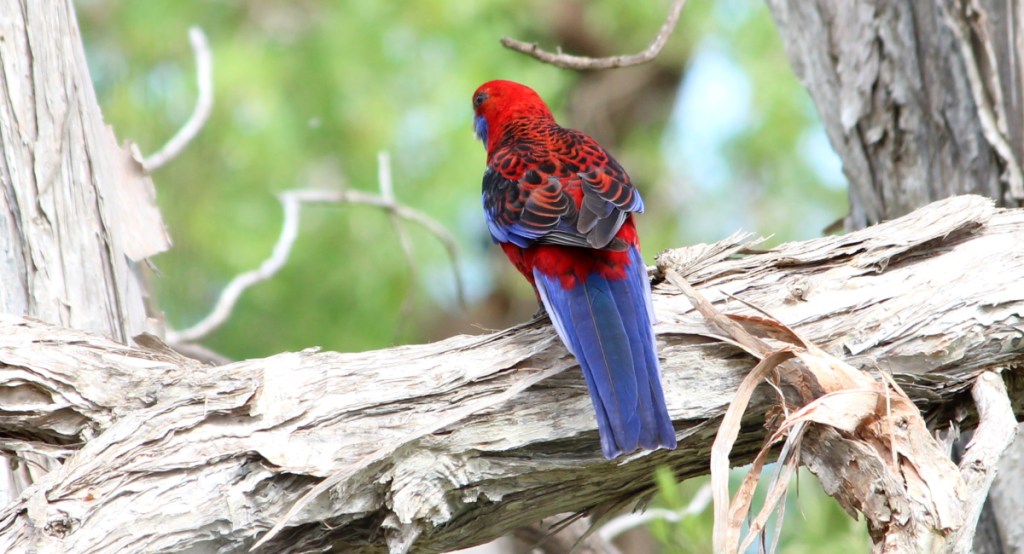
Full adult females: same as adult male except upper central tail feathers have a greenish touch, and some of the back feathers retain green edges.
Juveniles (both sexes): green all over except for blue cheek and wings, teal face, red forehead, bib, undertail. Tail can look brownish-green.
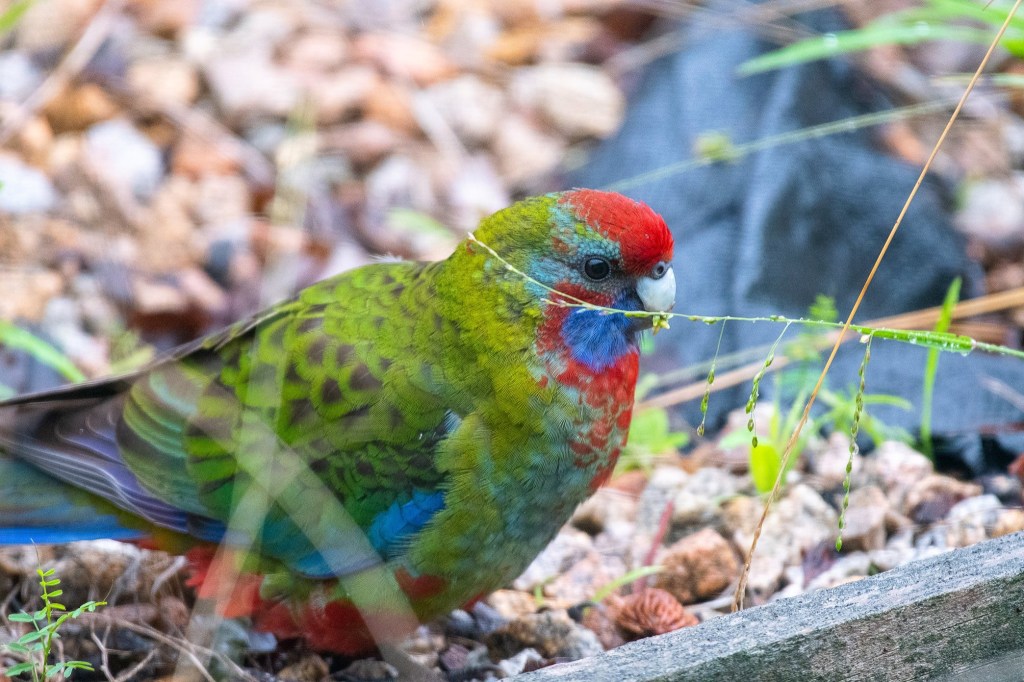
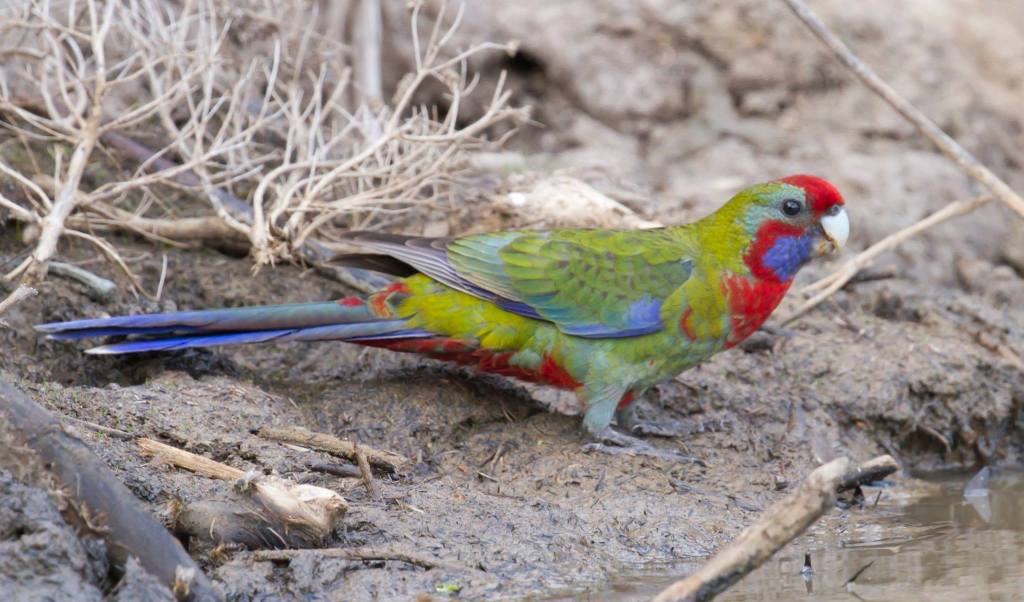
Immatures (both sexes): start acquiring red adult feathers on the face, crown and chest first.
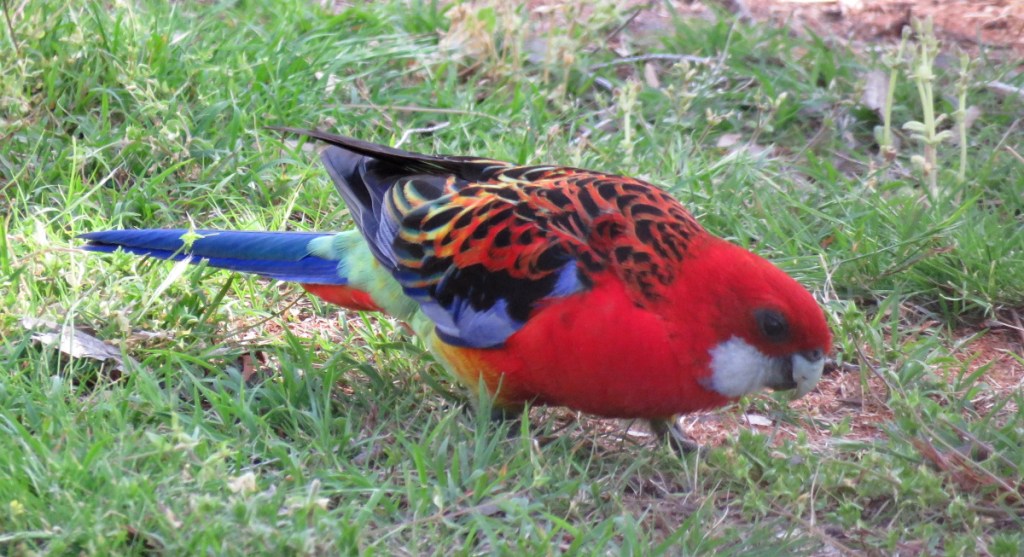
The last picture is a challenge. What is this bird? Seen on Raymond Island.
LISTEN TO THE CALLS & Scroll through to see lots of great pics here: https://ebird.org/species/criros2
Details: Crimson Rosella Platycercus elegans elegans
Location: eastern Australia, mostly VIC, NSW but a little bit of southeastQLD, southeast SA and outlying populations in north QLD. Our subspecies elegans has the widest distribution from se QLD to just west of SA/VIC border.
Conservation status/learn more: https://www.birdlife.org.au/bird-profile/crimson-rosella
Thanks to Rob Clay, Caroline Jones, John Alan, Martin Maderthaner, Brett Howell and Martin Butterfield for your wonderful pics and information.
 Mallacoota Birds