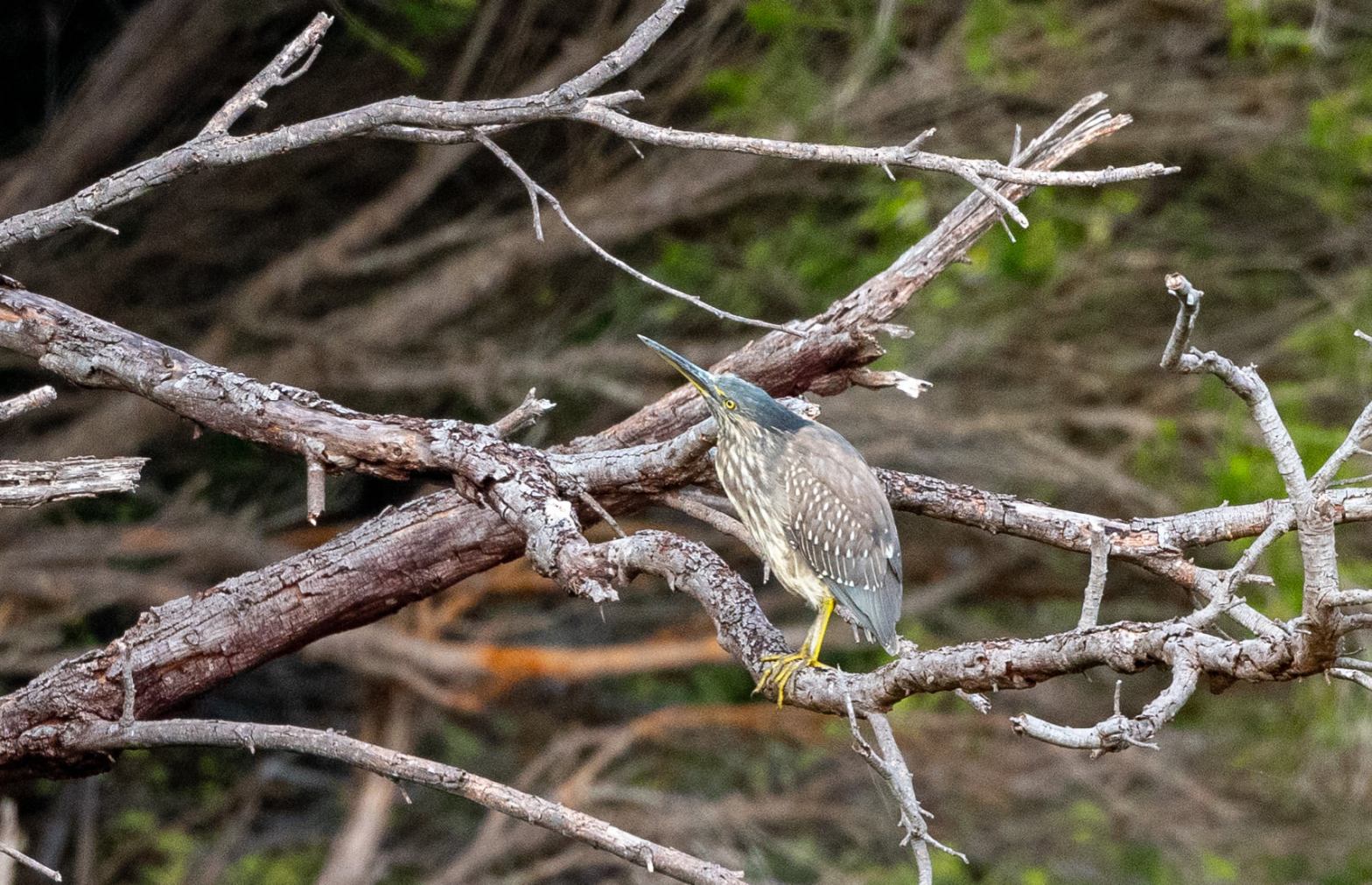
Bird of the Month: Striated Heron November 2021
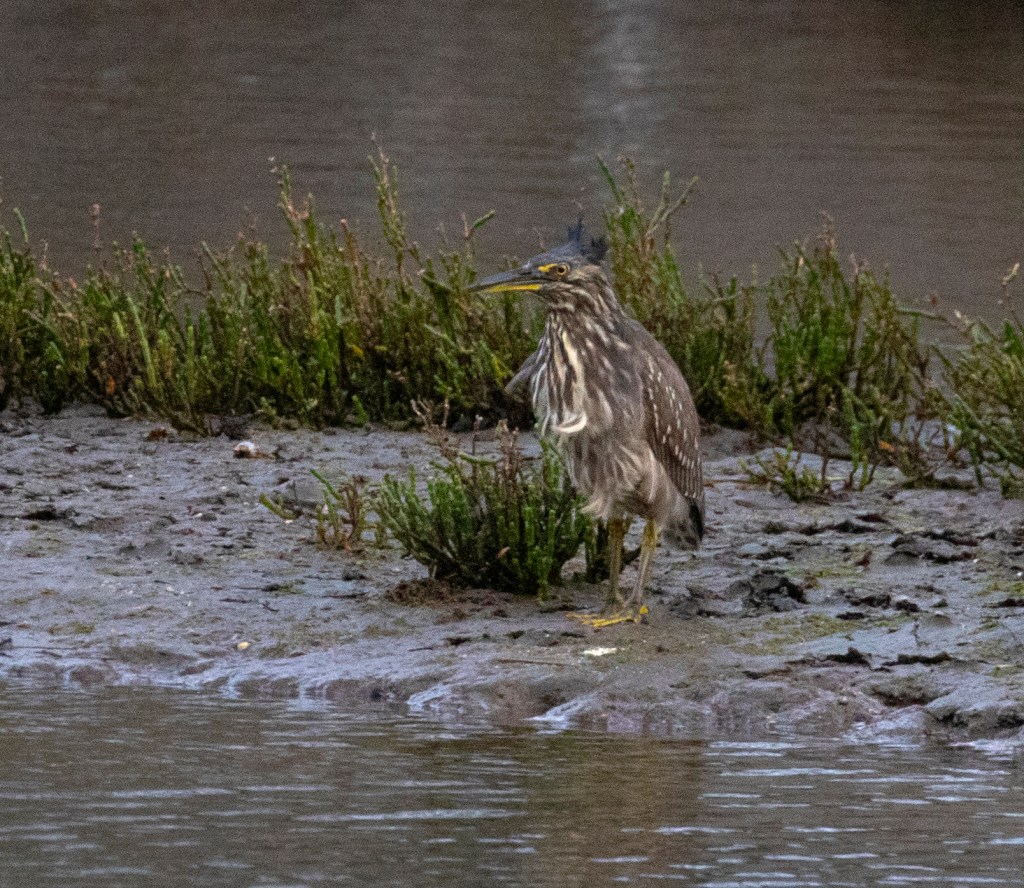
Having a Striated Heron in Mallacoota is like having a breeze from the Tropics. It’s a reminder of the unique microclimate of Mallacoota, distinct from the rest of Victoria.
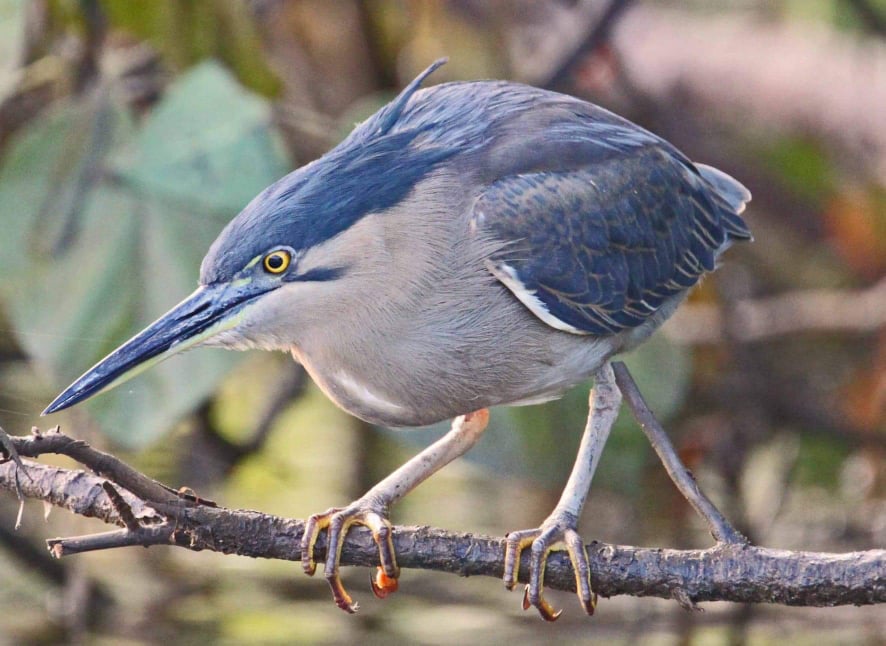
Striated Herons are essentially tropical/sub-tropical birds. In Australia they live along the north, east and west coasts, but rarely south of Sydney NSW or Exmouth WA. Worldwide the same species ranges across Asia & India, the Middle East & Egypt, Africa south of the Sahara, and widely through South America. Each of the regions has a slightly different-looking subspecies.
To those new to birding, they are confusing. Herons are supposed to be large and elegant, white or grey, with long necks and legs. So here’s this small brown bird, with short legs, and a short neck* stalking around on the mudflats. It just doesn’t make sense.
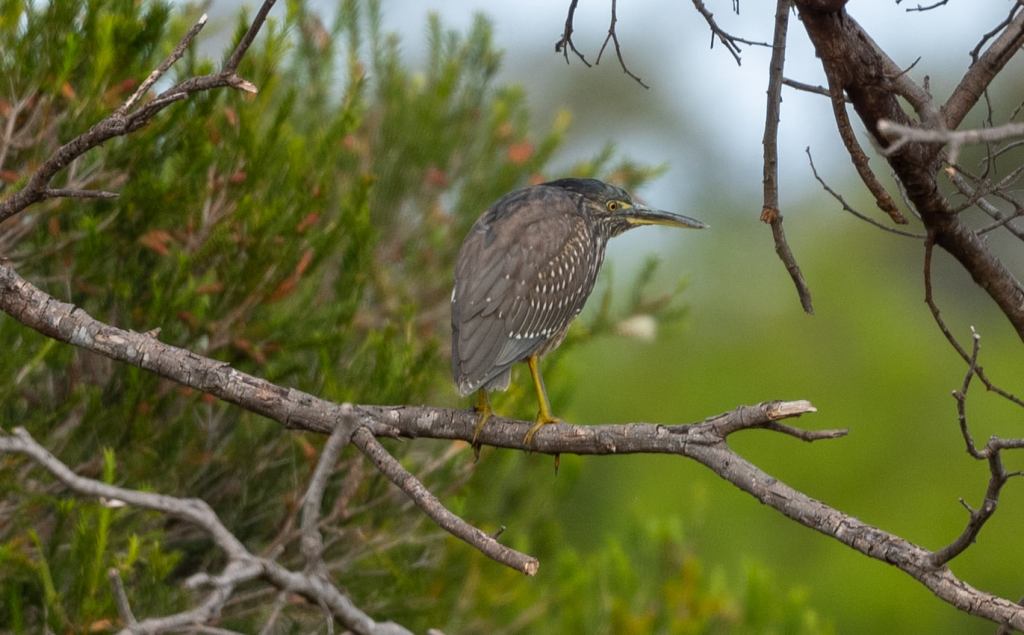
But then you might learn about a whole group of secretive herons called bitterns that all have chunky necks and short legs. But they are so hard to see! They camouflage brilliantly, and live amongst reeds and rushes and rice fields. There are nocturnal herons – Mallacoota’s famous bakery Nankeen Night-herons are included in this group. There are brown, orange, green, yellow and purple herons. In fact, the whole world of heron is diverse and beautiful. There is even an international conservation group for herons worldwide, and they list 65 species: https://www.heronconservation.org/herons-of-the-world/list-of-herons/
Watch the Striated Heron. After a few minutes the neck will shoot out to catch a fish, and you can see that the neck is long after all. They were just hiding it. Maybe they prefer to be underestimated so that their prey doesn’t perceive the danger.
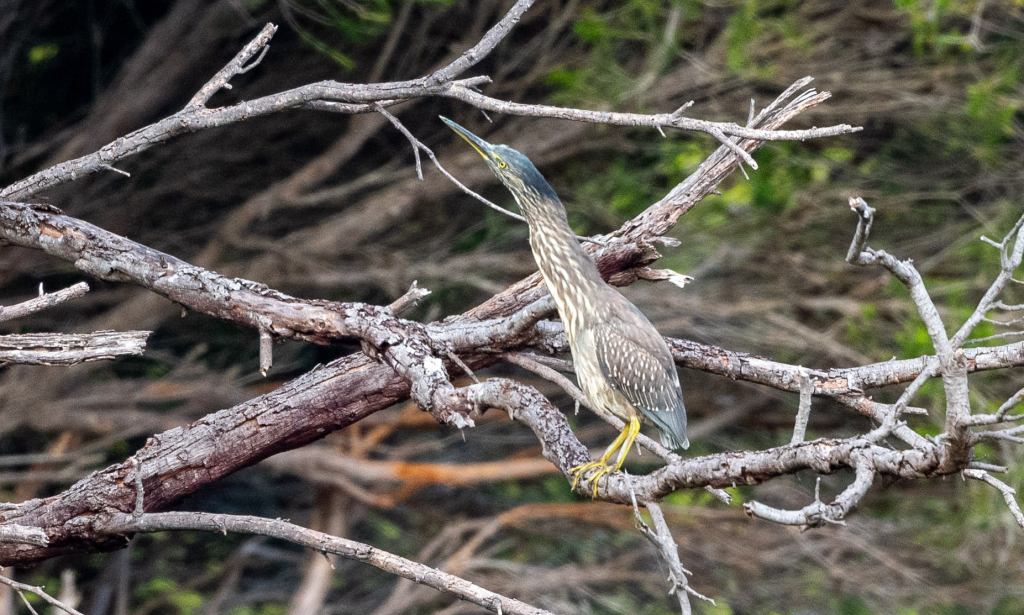
Read more about their hunting behaviour on John Hutchison’s excellent blog: http://avithera.blogspot.com/2021/08/striated-herons.html
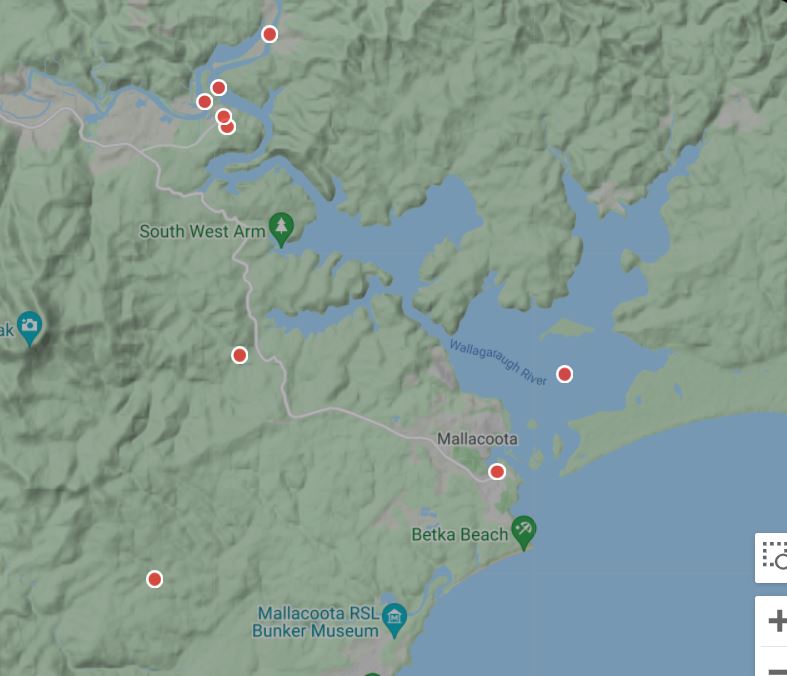
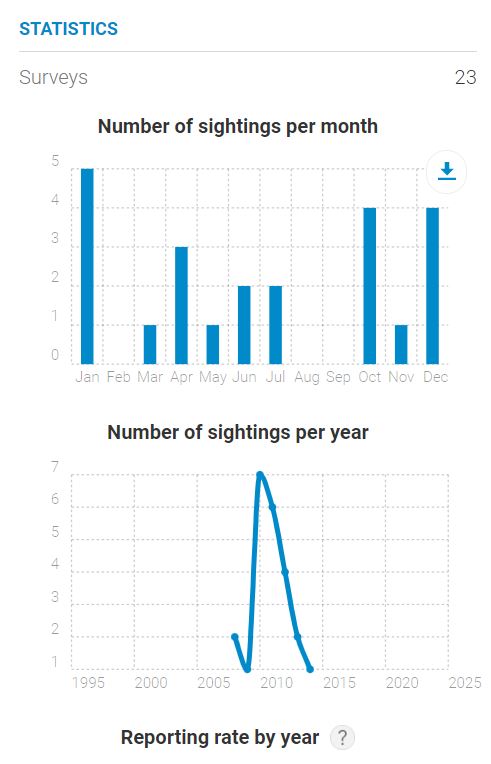
Records of Striated Heron in Mallacoota are few. Martin reports that there was a flurry of sightings between 2010 and 2013, mostly around Gipsy Point. Sightings are spread throughout the year, with a record in almost every month. They can be a hard bird to see – well camouflaged, often standing stationary amongst dead branches over grey mud – so they may get missed.
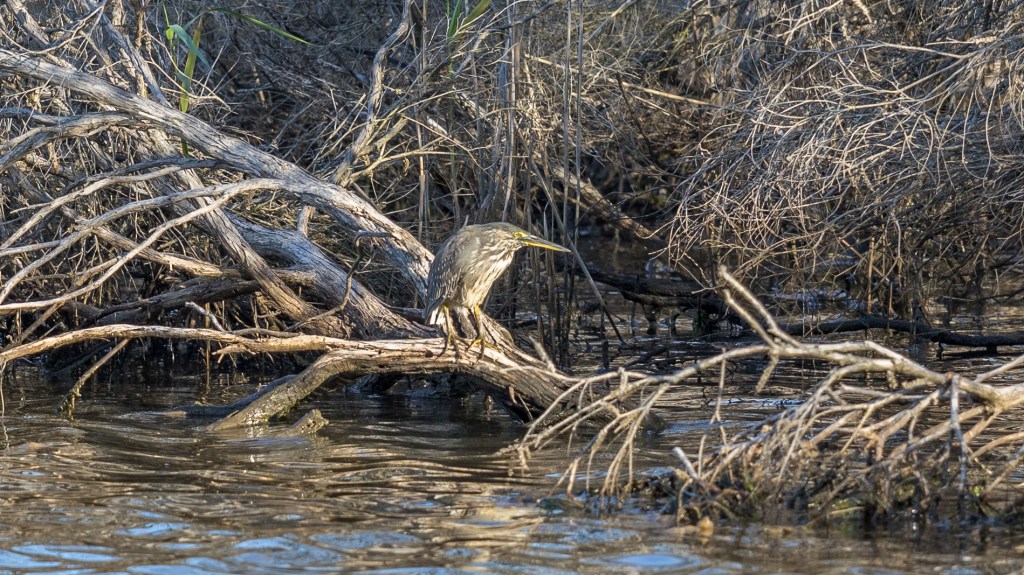
The current Mallacoota bird is still young. It has streaks on the throat that will smooth out as it matures. Adults of our east coast subspecies have grey-pink cheeks, throat and underparts with a white stripe down the throat. Adults always have a black cap, and a black line under the eye onto the cheek. Their wings have a scalloped edging, like each feather has been outlined in fine bronze.
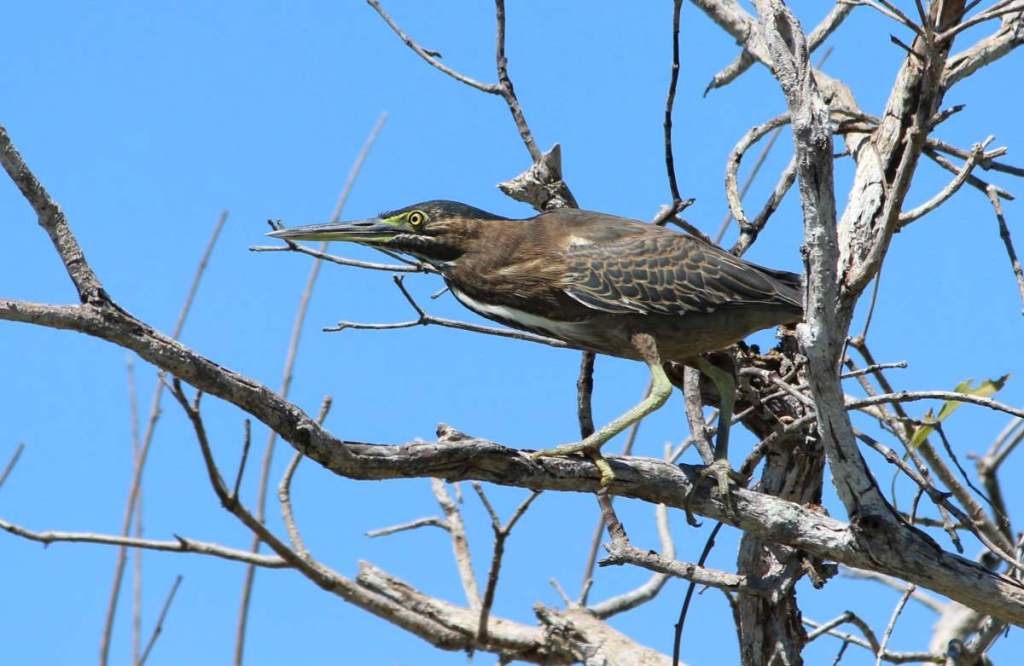
They could be confused with a Nankeen Night-heron, which are quite common in Mallacoota. But Nankeens are much larger (2x the size) with a very pale throat and belly when adult. They don’t have the black stripe under the eye, and their wings have a smooth, all-over colour, with no scalloped edging.
Juvenile & immature birds are harder to tell apart. Size is the best indicator. But failing that, I always feel that a young Striated looks like a brown bird streaked with white, while a young Nankeen looks like a white bird streaked with brown.
LISTEN TO THE CALLS and scroll through to see lots of great pics here: https://ebird.org/species/strher
Details: Striated Heron Butorides striata macrorhyncha
Location: coastal eastern, northern and north-western Australia, from Exmouth WA to Sydney NSW, with a few records south of that.
Our subspecies macrorhyncha eastern Australia to about the QLD-NT border.
Conservation status/learn more: https://birdlife.org.au/bird-profile/striated-heron
Thanks to Chrissy Freestone, Rob Clay, Jack Winterbottom, Kayleen Bilson and Martin Butterfield for your wonderful pics and information.
 Mallacoota Birds